Get the weekly SPARTANAT newsletter.
Your bonus: the free E-Book from SPARTANAT.

Hit! The Handgun Seminar
The Carl-Cranz-Gesellschaft (CCG) hosted a seminar on handgun ballistics in Vienna, led by expert Armin Zotter. It covered topics ranging from interior ballistics to forensic wound analysis, and featured lectures from various specialists. Attendees engaged in practical demonstrations at a shooting range, enhancing their understanding of modern weaponry and ballistics.

Knowledge is power. And knowledge is created by bringing people together. Some have something to say, others listen, discuss, and learn. Exactly this is what the Carl-Cranz-Gesellschaft (CCG) organized in the autumn in Vienna: As part of the seminar "Ballistics of Handguns - Focus on Precision Weapons," which was scientifically led by the internationally active ballistics expert Armin Zotter, knowledge was intensely conveyed over four days. The content ranged from fundamental aspects of interior ballistics to questions of wound ballistics in a forensic medical context. The event is aimed at users as well as authorities responsible for the procurement of short, long, and special weapons along with ammunition, particularly from police, military units, special forces, and the judicial sector. Ballistics specialists and handgun experts from industry, authorities, security firms, and forensic institutions are also part of the target audience that was precisely hit at the Vienna event.
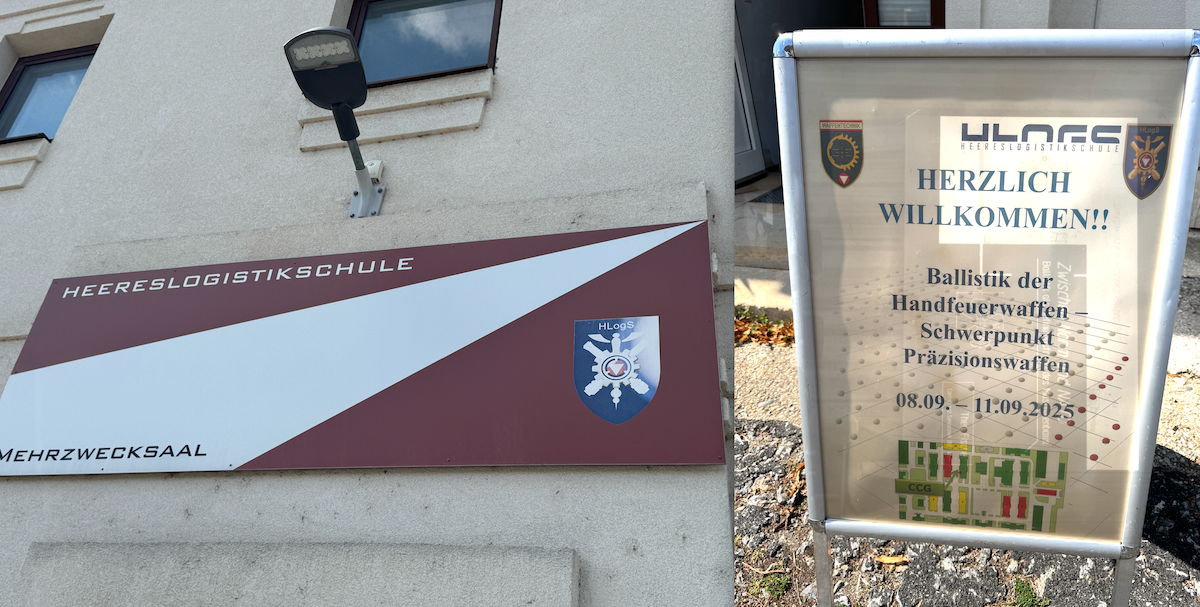
The host in Vienna Penzing: the Weapon Technology Department of the Army Logistics School of the Austrian Armed Forces, which welcomed participants from the entire DACH region. Three days in the HLog multifunctional hall, one day of dense practice at the shooting range, plus a supporting program that took the visitors of the CCG seminar to the Army Museum, where some technical weaponry highlights can also be admired.
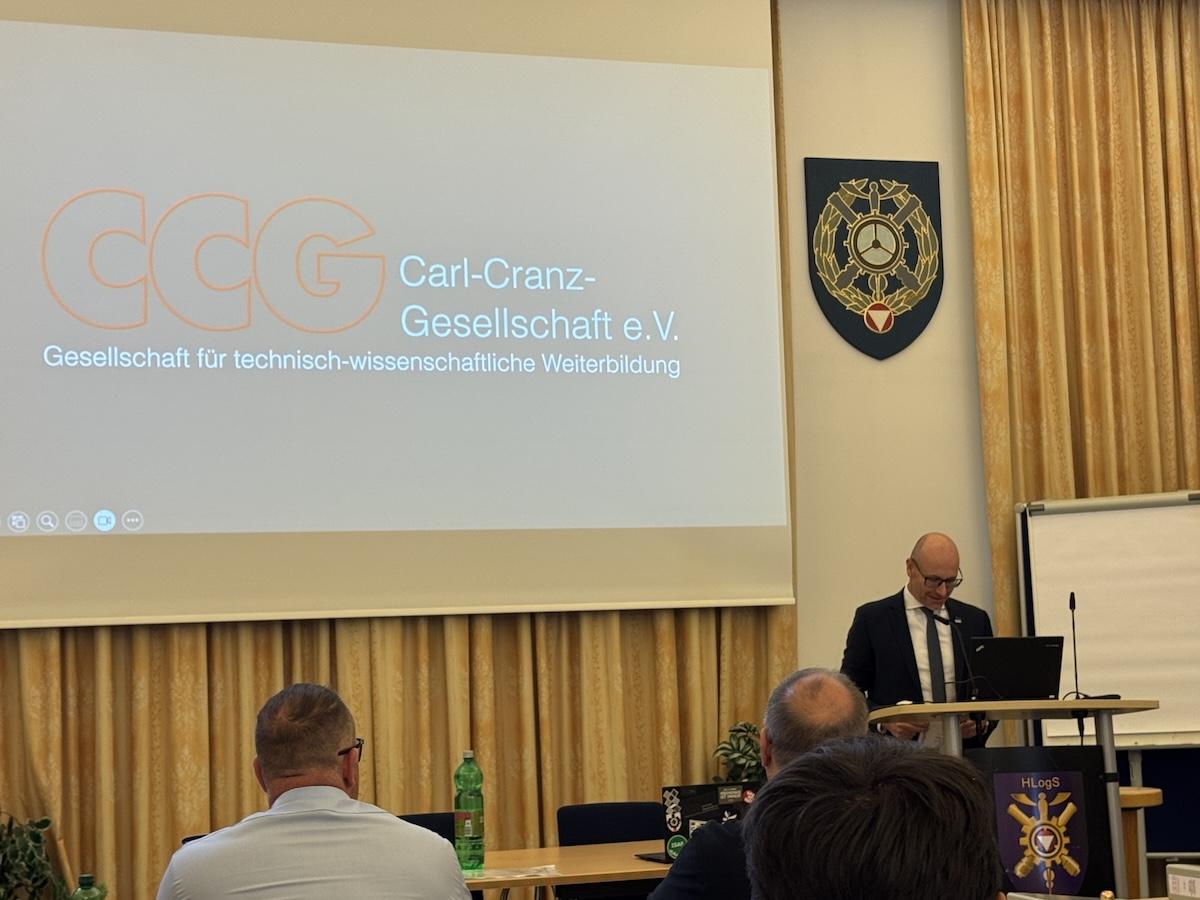
The seminar was accompanied by CCG Managing Director Christian Munz. The Carl-Cranz-Gesellschaft e.V. (CCG) is a non-profit further education organization for engineers and natural scientists, founded in 1960. Acting as a highly specialized "adult education center," the CCG offers a full program of over 100 practical seminars annually in fields like military technology, security, future technologies, and transportation. It utilizes a network of experts in Germany, Austria, and Switzerland, and the target audience is similarly highly specialized, aimed at professionals and executives. Carl Cranz, the society's namesake, was one of the founders of modern ballistics.
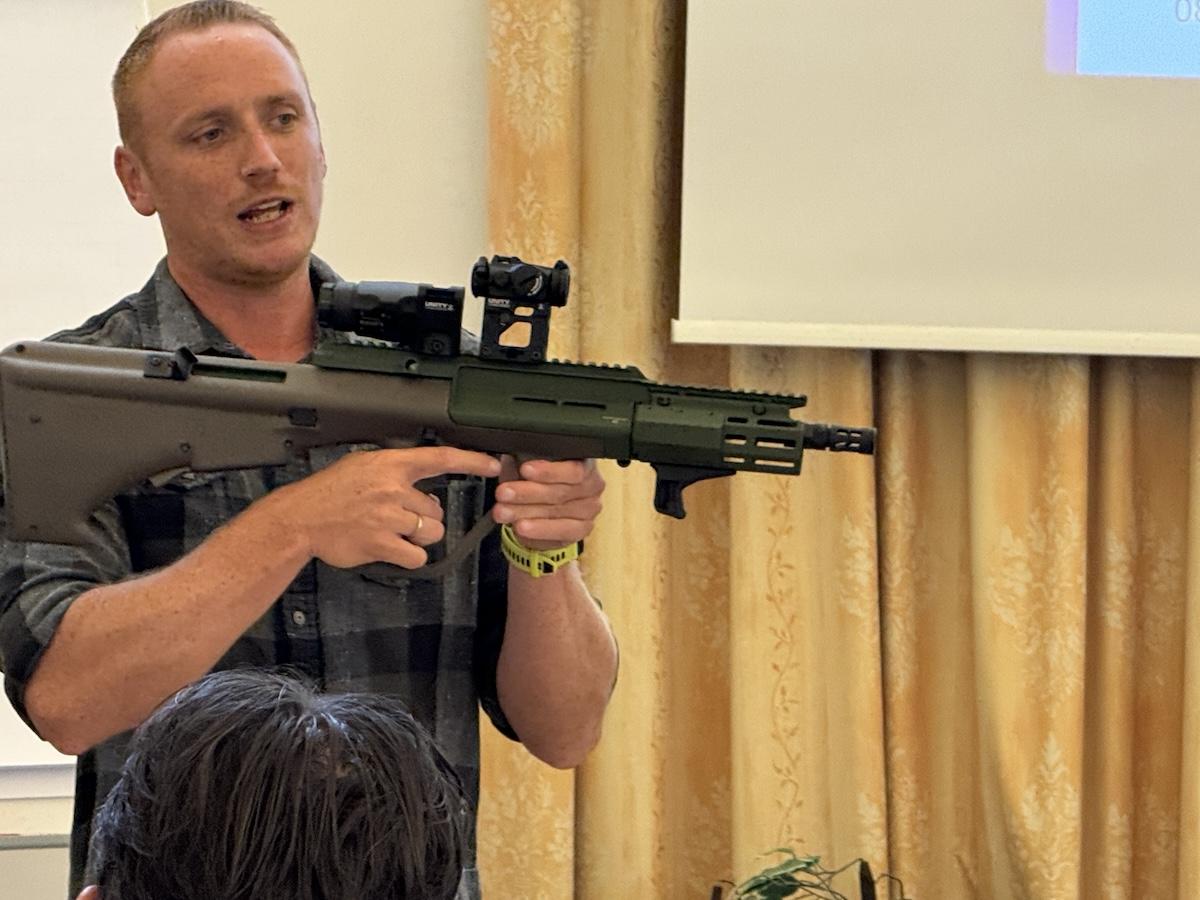
The host, the Austrian Armed Forces, did not hold back and immediately provided insight into the history and current state of domestic military armament. Present was the latest evolutionary stage of the STEYR AUG as StG77 – here in the version currently issued to the Jagdkommando – with an extended handguard with a greenish IR coating and a continuous rail, which now allows for an open optics architecture. From now on, an AIMPOINT Micro red dot sight with magnifier will be used, both mounted on UNITY TACTICAL mounts.
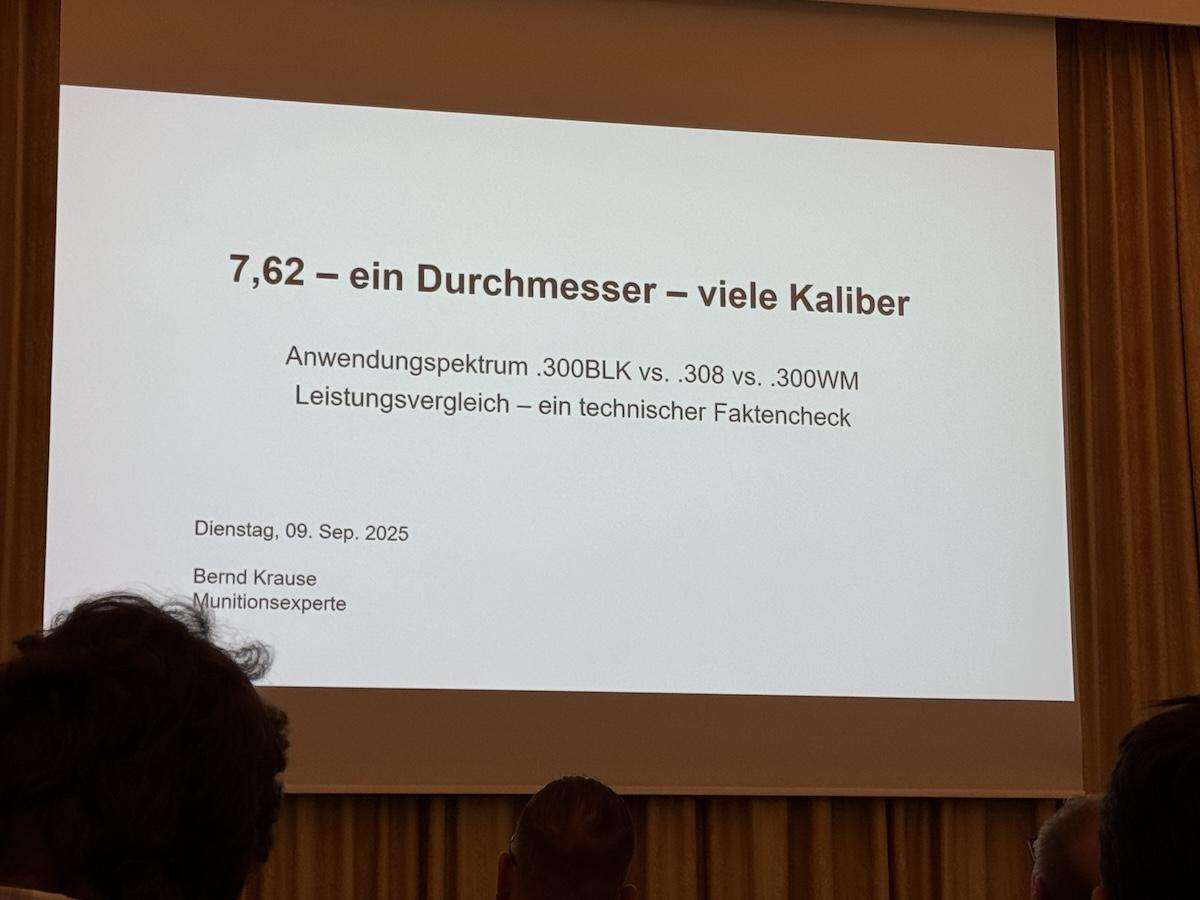
During the first day of the seminar, several expert lectures were presented that illuminated various aspects of modern weapon and ballistics topics and addressed both technical and operational practical questions: Kicking off was Robert Hruschka with a contribution to exit ballistics. The focus was on the effects of various muzzle attachments on the point of impact as well as on the precision or dispersion of shots. Practical examples demonstrated how different systems can influence shooting behavior.
Following this, Matthieu Glardon addressed current weapon deployments in Switzerland. The lecture dealt with official use of firearms for self-defense, their legal assessment, and typical challenges in operational situations. Special attention was given to the issue of delayed incapacitation of individuals hit, which was explained with concrete case examples.
After the lunch break, Bernd Krause compared various calibers with the same bullet diameter in the range of 7.62 mm. The practical applications and performance differences of .300 Blackout, .308 Winchester, and .300 Winchester Magnum were analyzed in a technical comparison and categorized regarding typical application fields.
Wrapping up was the presentation by Andreas Nehme, who dealt with the further development of modern weapon systems. The focus was on measures to increase operational performance while simultaneously reducing weight and load for users, which is particularly important for military and authority applications.
Overall, the seminar day showcased the wide range of current developments and discussions in the field of modern handguns – from physical-technical foundations to practical operational and evaluation scenarios.
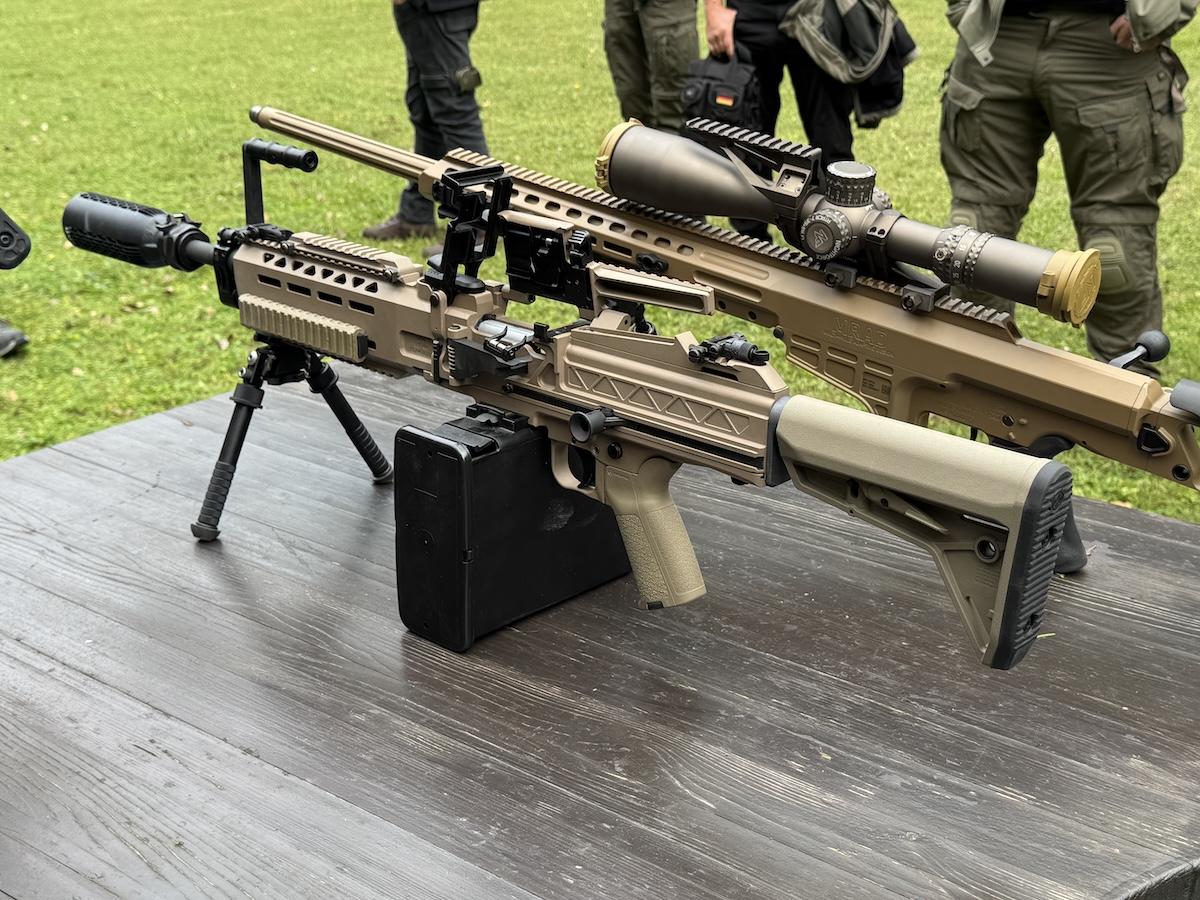
"Gray, dear friend, is all theory, and green the golden tree of life," proclaims the bourgeois educational wisdom of Goethe's Faust. Now, the theoretical parts were by no means "gray," but very colorful and extremely exciting. But nothing surpasses practice and really seeing what works. The practical day at the shooting range was incredibly enriching. This included a lot of exciting equipment. Over AUSTRIA ARMS, two special, current weapons were introduced: a BARRETT MRAD sniper rifle and in front a lightweight machine gun LAMG by KNIGHT'S ARMAMENT, as used by American special forces (Delta and Rangers). This machine gun is extremely lightweight and designed for mobility and belongs to a new class of MGs that is just emerging.
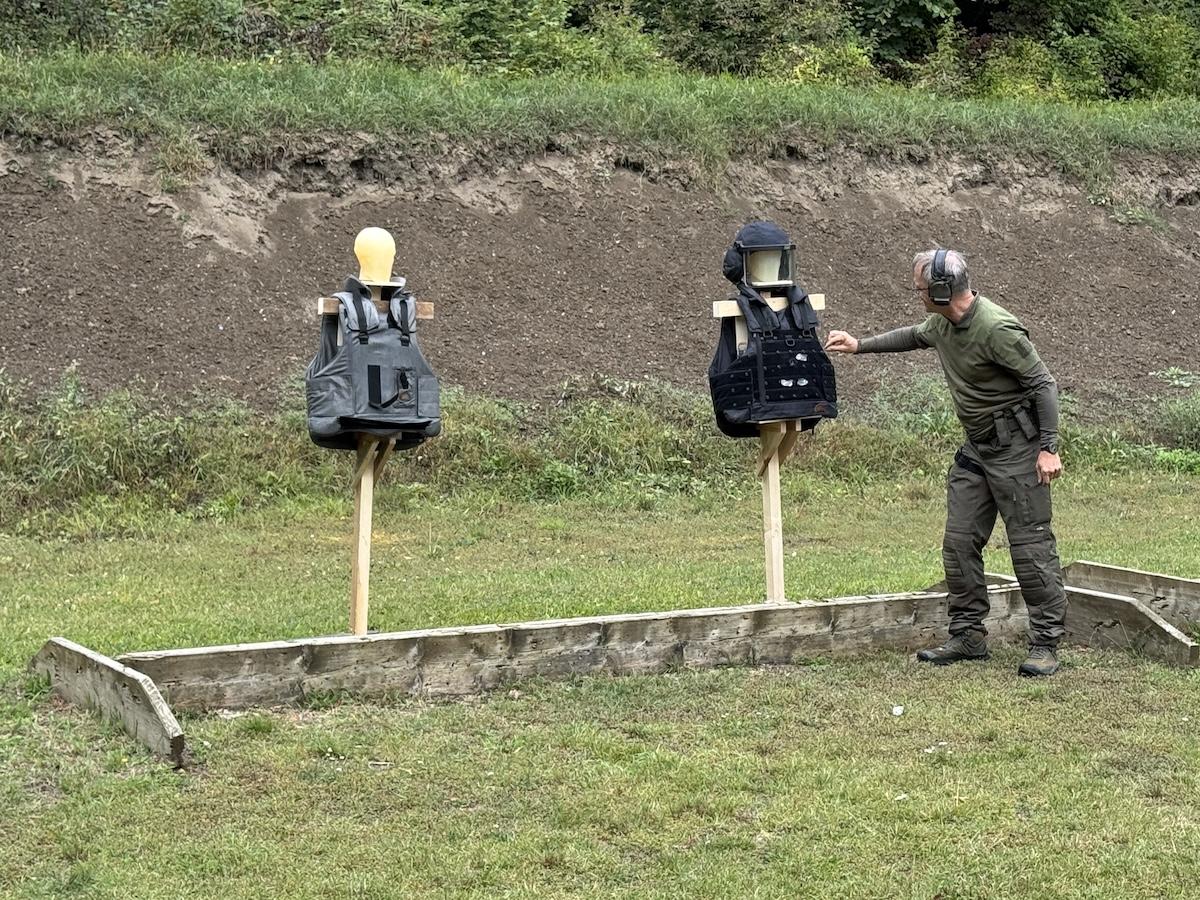
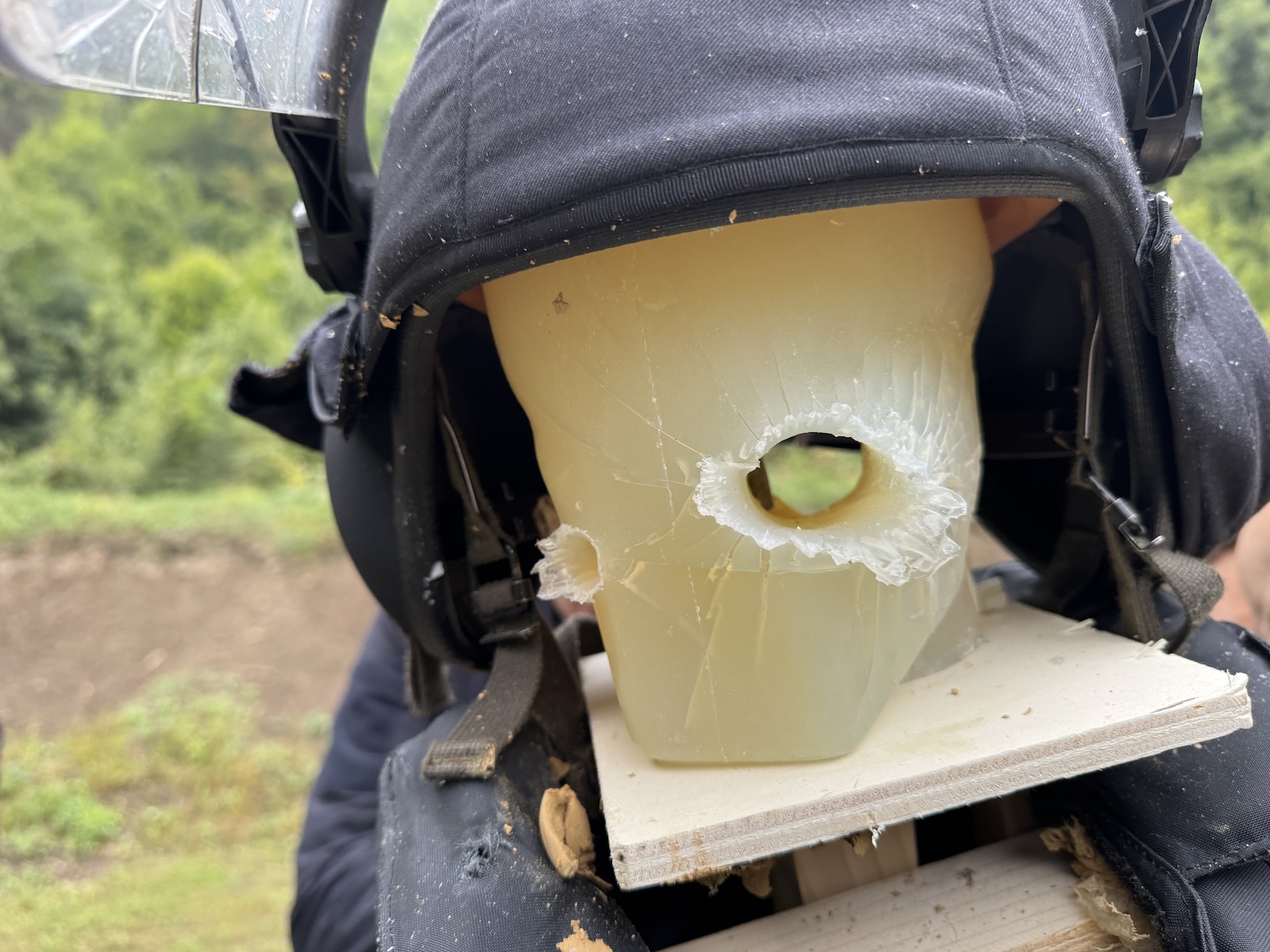
And then tests are conducted. A wide range of ammunition and various weapons faced targets designed to resist. Based on those, one can assess the effects of projectiles. Here are two bulletproof vests and a helmet, as used by law enforcement.
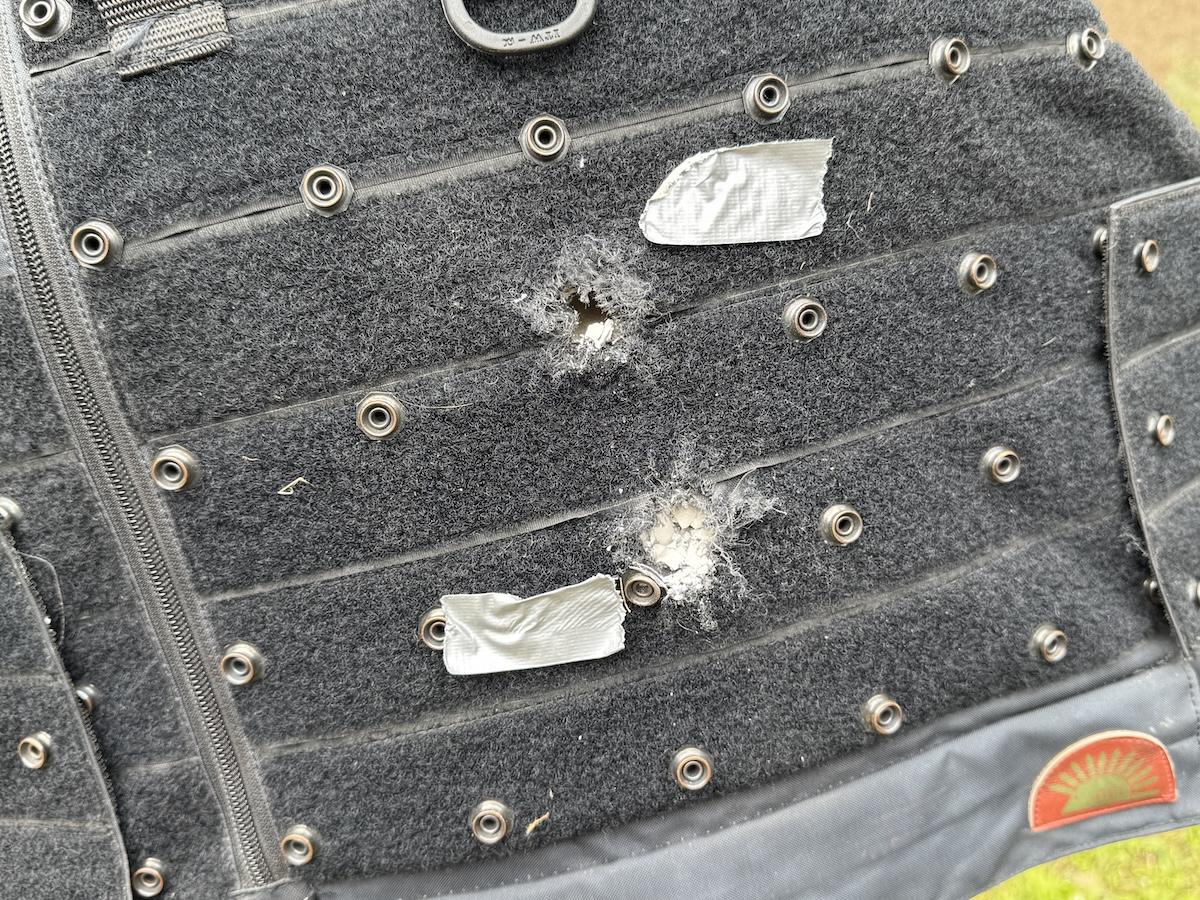
The holes don’t always look as spectacular as in the movies, but they indisputably document how effective various protective measures are against different ammunition.
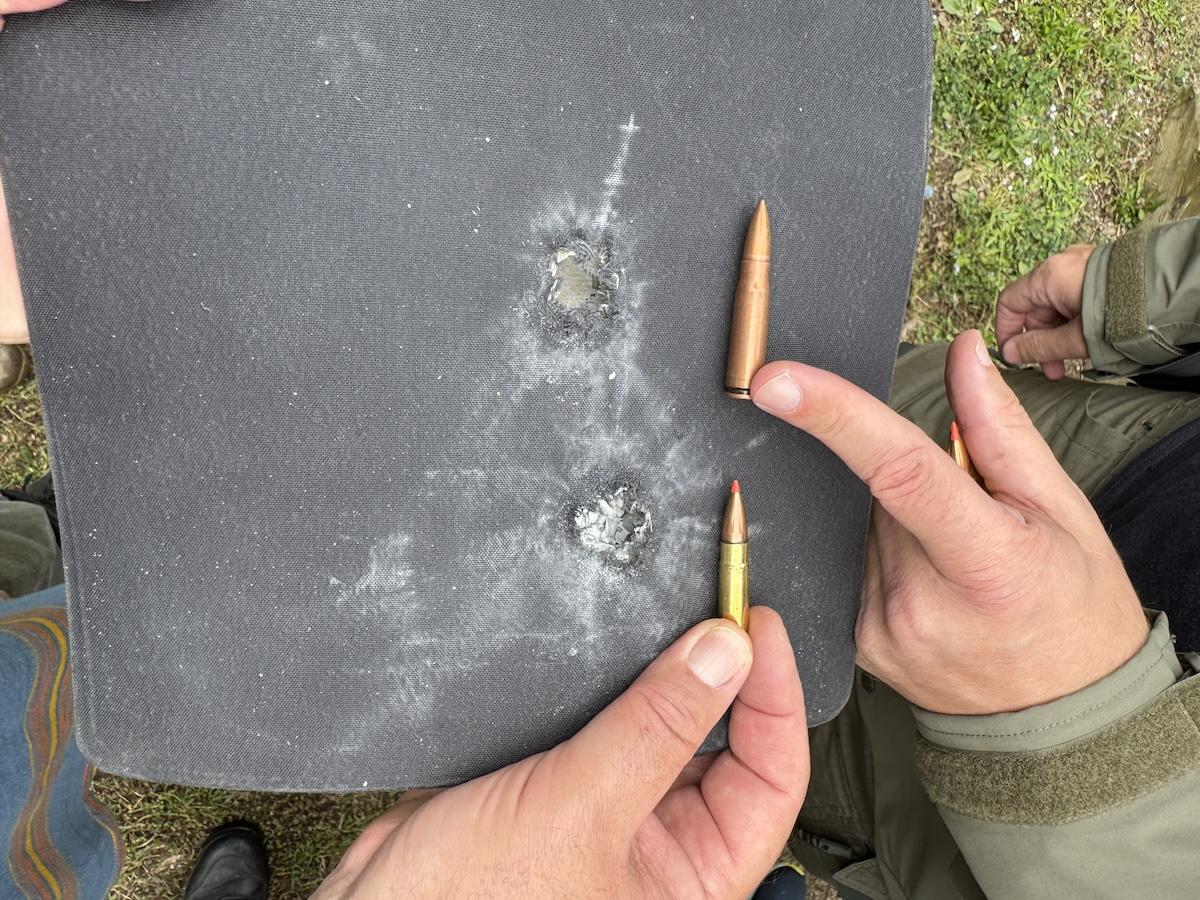
Protective plates are a major topic. From the 9mm pistol caliber to the 300BLK and .50, much could be admired directly – including exciting specialty ammunition that can penetrate remarkably well. By viewing and comparing the impacts, one gets a direct relation of the effect, which is extremely fascinating.
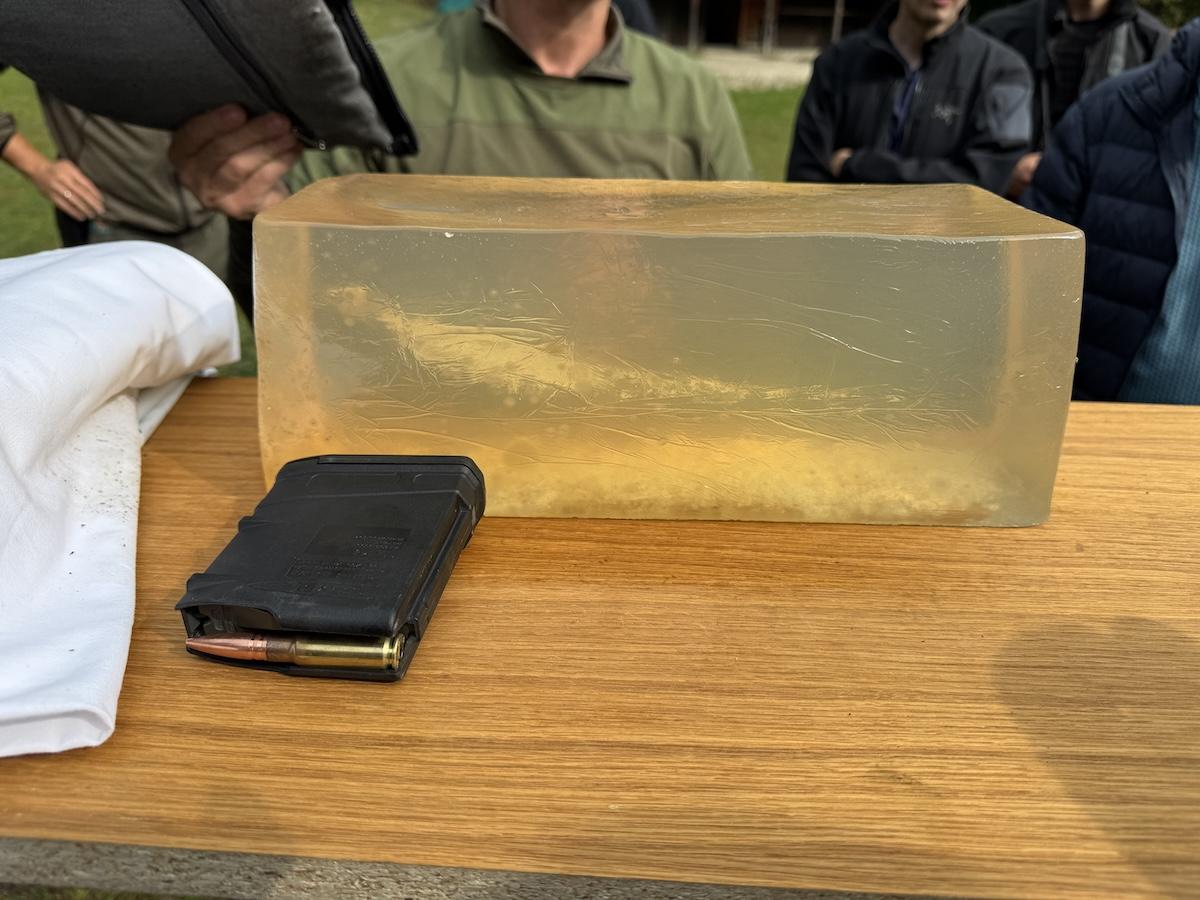
Also used multiple times: classic gelatin blocks and clamped metal plates, which show how differently projectiles behave in matter or against material resistance.
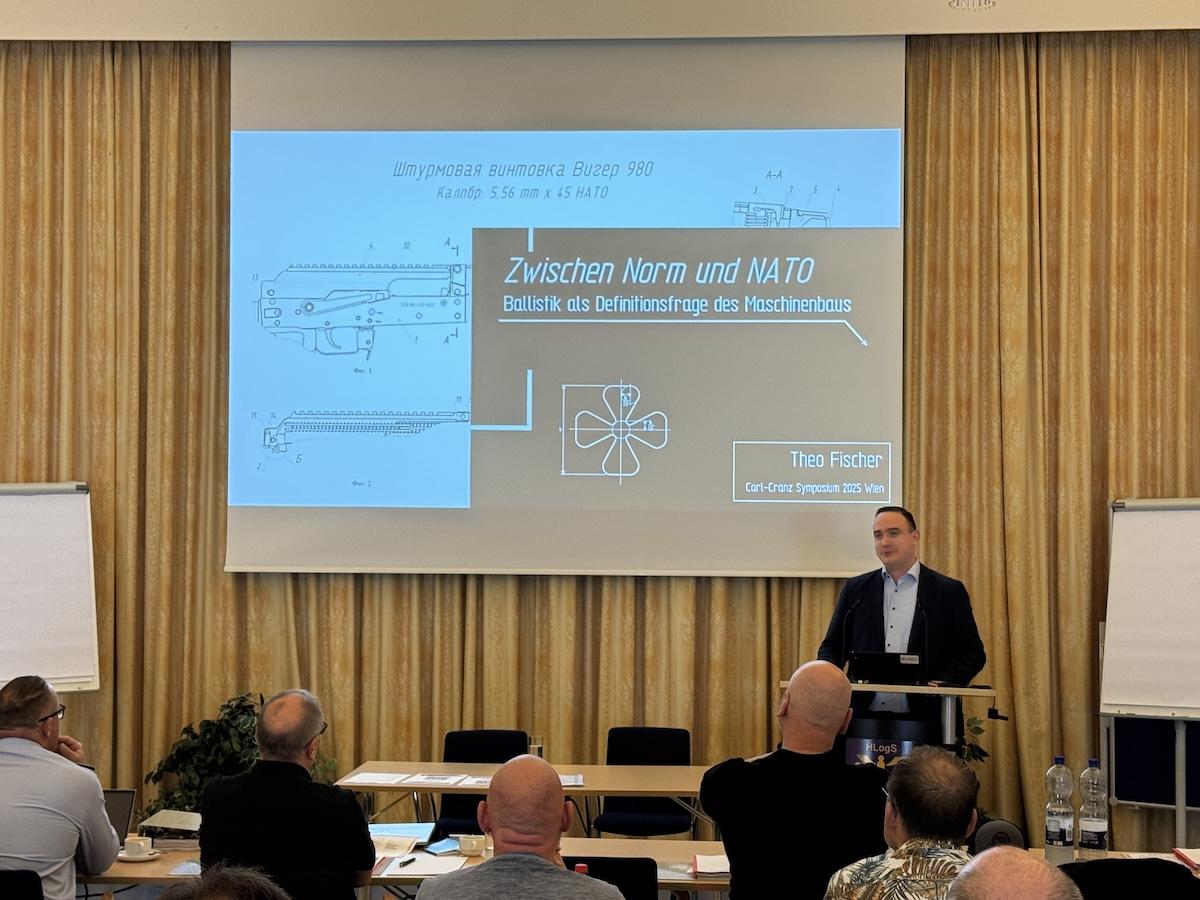
Another seminar day focused on practical and technical questions surrounding operational conditions, system optimizations, and forensic insights. To kick off, Jochen Peelen explained the specifics of subsonic ammunition. The topics discussed included the limited bullet energy, the significantly curved trajectory, and the influence of crosswinds. This results in specific challenges for hit probability in real operational scenarios.
Following that, Theo Fischer presented current programs for testing and technical development of firearms and components. The presentation showcased how existing systems can be optimized and adapted to new requirements through collaboration with military agencies. However, it also highlighted how challenging it can sometimes be to speak the same language and to correctly frame problems with standards. This was followed by a joint contribution from Hermann Zwanzinger and Anton Eder, who presented governmental considerations for equipping service weapons. Among other things, additional systems such as reflex sights or tactical light and laser modules and their usefulness in operations were discussed.
After the lunch break, Sebastian Lui presented modern developments in the area of temperature-resistant silencers. The focus was on new material solutions as well as flow and heat-optimized constructions that enable higher durability in practical use. Rt impressively demonstrated how emerging 3D printing technologies with metal affect the possibilities for innovative manufacturing.
The extensive conclusion was the lecture by Sarah Heinze on wound ballistics from a forensic medical perspective. The forensic expert vividly and richly illustrated the processes in the bullet channel, typical injury patterns, possible causes of death, and the reconstruction of shooting incidents. Current case studies and modern imaging techniques illustrated the importance of these analyses for investigations and court proceedings. It was noted that especially young men tend to falter during their presentations. At this very intense conclusion to the Vienna ballistic seminar of the CCG, nothing happened.
Overall, the CCG achieved an extremely dense program, presenting complex knowledge in an up-to-date manner. Four educational days that were both practical and humanely pleasant. In other words: Here, one can learn a lot and meet exciting people who are deeply involved in their subject. Continuing education in the best sense.
The Carl-Cranz-Society (CCG) offers a variety of defense technology seminars for professional further education. HERE is the current program to be found.
SPARTANAT is the online magazine for Military News, Tactical Life, Gear & Reviews.
Send us your news: [email protected]
Ad
similar
Get the weekly SPARTANAT newsletter.
Your bonus: the free E-Book from SPARTANAT.
